
U.S. Visa Bulletin for June 2026: What You Need to Know
The June 2026 bulletin brought family preference advances and India EB-1 retrogression. This review explains the filing charts, priority dates, and warnings about visa availability.

The June 2026 bulletin brought family preference advances and India EB-1 retrogression. This review explains the filing charts, priority dates, and warnings about visa availability.

This guide explains how Kenyan software engineers can map career achievements to O-1A evidence criteria. It covers petitioners, supporting documents, filing and consular steps.

Nigerian physicians can draw on research, clinical contributions, judging roles and leadership to build EB-1A evidence. This guide explains documentation needs and common petition mistakes.

EB-2 NIW timelines involve both petition processing and visa availability. This guide explains premium processing, priority dates, country-based backlogs, and case tracking.

EB-2 NIW expenses include petition fees, optional premium processing, and costs for the green card stage. This guide explains the main charges and ways to manage your budget.

An EB-2 NIW petition letter connects your proposed endeavor and supporting evidence to the three Dhanasar prongs. This guide covers letter structure, expert recommendations, and drafting mistakes.

The article examines EB-2 NIW approval estimates and the evidence behind a petition. It covers national importance, recommendation letters, waiver arguments and common denial reasons.

Standard EB-2 relies on employer sponsorship, while EB-2 NIW allows self-petitioning. This guide compares eligibility, labor certification, and reasons to consider each route.

Indian-born EB-2 NIW applicants face a long visa backlog even after petition approval. This guide explains priority dates, potential EB-1A strategies, and planning during the wait.
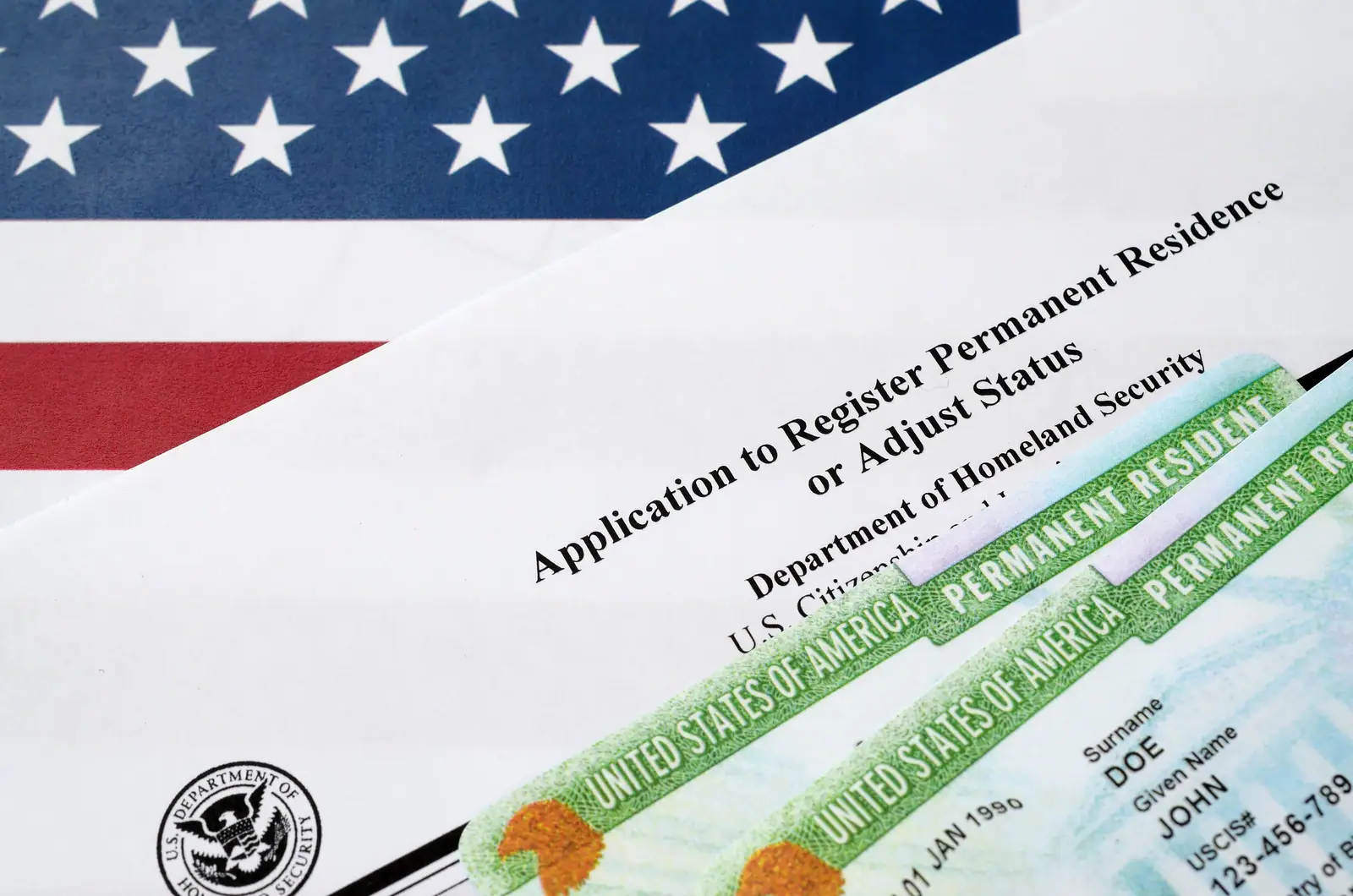
The EB-2 NIW process starts with a self-petitioned I-140. This guide explains the path to permanent residency, including visa availability and processing options.

The EB-1A green card lets individuals with extraordinary ability apply without an employer sponsor. This guide explains eligibility, evidence, final merits review, and the filing process.

This guide explains evidence for key EB-1A criteria, from awards and publications to original contributions. It also covers USCIS review and ways to organize a coherent evidence package.